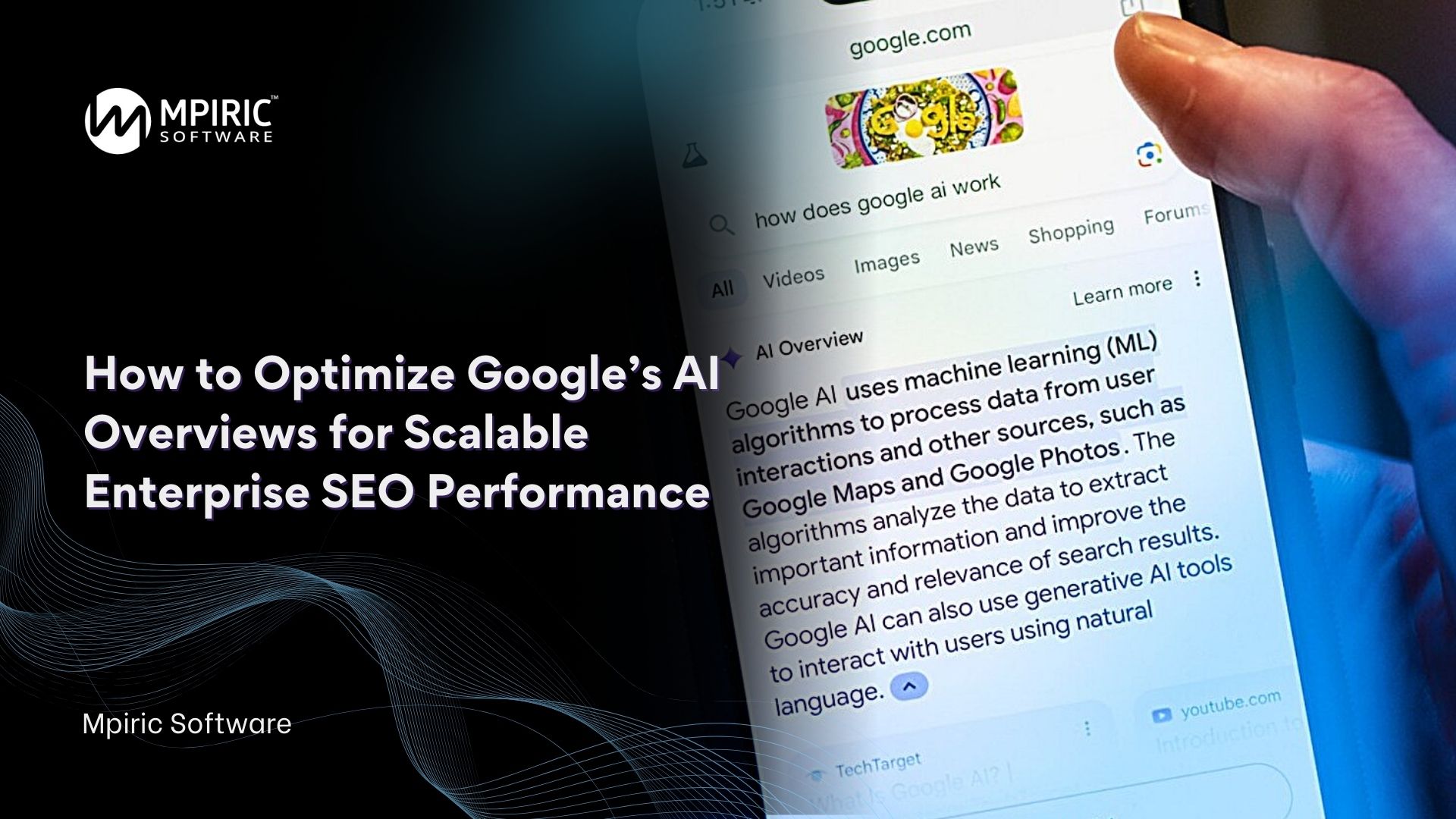
Introduction: When Google Suddenly Started Talking Back
I still remember the first time I saw Google’s AI Overviews pop up on my screen. I typed a normal question, nothing fancy, and boom, there it was. A full answer already written, sitting right on top like it owned the place. No scrolling, no clicking, just straight info. My first thought was not excitement. It was more like, wait… what about my website, my content, my clicks?
If you are a blogger, business owner, SEO person, or even someone who just loves writing content, Google’s AI Overviews can feel scary at first. It feels like Google is answering everything itself, so where does that leave us humans who spend hours writing articles, guides, and stories.
But after spending time watching how these AI Overviews work, reading them carefully, and testing content around them, I realized something important. This is not the end. It is just a change. And like most changes online, people who learn early always win more later.
So let us talk like real humans here. No heavy words, no fancy theories. Just simple ideas on how you can make the best of Google’s AI Overviews and still stay visible, useful, and maybe even ahead.
What Are Google’s AI Overviews (In Simple Words)
Google’s AI Overviews are short answers created by artificial intelligence that show up at the top of search results. They try to answer the user question fast, without making them open ten links.
Think of it like this. Earlier, Google was a librarian who pointed you to books. Now, Google is also reading the books and telling you a summary before you even open one.
These overviews are pulled from many websites, trusted sources, and structured content. They are not random. They look clean, confident, and helpful. That is why users like them.
But here is the thing many people miss. AI Overviews still depend on human written content. They cannot exist alone.
Why Google’s AI Overviews Are Not Your Enemy
At first, many creators panic. Traffic drops, impressions change, clicks behave weird. It is easy to blame AI. I did the same for few days.
But then I noticed something interesting. When my content was clear, personal, and actually helpful, it still got mentioned, quoted, or supported those AI answers. That matters more than you think.
AI Overviews do three main things:
- They highlight trusted and clear information
- They push vague and shallow content down
- They reward content that feels real and useful
So instead of fighting it, the smart move is learning how to fit into it.
How to Write Content That AI Overviews Actually Like
Focus on Answering Real Questions, Not Keywords
Earlier SEO was all about keywords. Now it is more about questions. Real questions. The ones people actually ask when they are confused, tired, or trying to decide something.
For example, instead of writing
“Best tools for SEO 2026”
Write like
“Which SEO tools actually help small websites grow”
That second one sounds human, right. AI loves that because users love that.
Write Like You Are Explaining to a Friend
This part is important and often ignored. When content sounds robotic, AI does not trust it much. Humans do not trust it either.
Try explaining things the way you would talk to someone sitting next to you. Use small stories. Use comparisons. Even repeat yourself a little. Humans do that.
Sometimes I write a sentence, then explain it again in another way. It feels natural. Grammar may not be perfect, but the meaning stays clear.
Structure Still Matters (But Do Not Overdo It)
Google’s AI reads structure very well. Headings help. Clear sections help. But content should not look like a robot checklist.
Use H2 and H3 where it makes sense. Not everywhere.
Here is what helps:
- Clear H2 sections that answer one main idea
- Short paragraphs that are easy to scan
- Simple language with direct meaning
Do not stuff headings with keywords. Make them sound like questions or thoughts.
How Businesses Can Benefit From AI Overviews
For businesses, especially service based or product based ones, AI Overviews can actually help build trust faster.
When your brand is mentioned or indirectly used in AI answers, users start seeing you as a source, not just a seller.
To increase chances:
Create Helpful Pages, Not Just Sales Pages
Instead of only pushing products, add guides, how to pages, and problem solving content.
For example, if you sell SEO tools, write about:
- How beginners can understand SEO basics
- Common SEO mistakes small businesses make
- How to measure real SEO success
These pages build authority. Authority feeds AI Overviews.
Show Expertise Through Clarity, Not Big Words
Many people think expertise means complex language. It does not. Real experts explain hard things in easy ways.
If your content sounds simple, Google does not think it is weak. It thinks it is helpful.
Common Mistakes People Make With AI Overviews
Writing for AI Only, Not Humans
This is a big one. Some writers now try to please AI so much that content loses soul. That never works long term.
If a human enjoys reading your article, AI will understand it better too.
Ignoring Updates and Changes
AI Overviews are still changing. What works today may shift a little tomorrow. Stay flexible. Test things. Watch your search console data.
I learned more by testing than reading guides.
Final Thoughts: This Is Just Another Shift, Not the End
Every few years, Google changes something big. People panic. Then people adapt. This is no different.
Google’s AI Overviews are not here to steal your voice. They are here to highlight the best answers. If your content is honest, useful, and written like a human talking to another human, you already have an advantage.
Frequently Asked Questions
They shift focus from keyword rankings to authority, clarity, and topic coverage. Enterprises must optimize for trust and usefulness at scale.
Yes. Large websites with strong authority have an advantage, but only if content is clear, updated, and well structured.
Yes, but not completely. Focus more on helpfulness, real questions, and user intent. Technical SEO still matters, but content quality matters more now.
Yes, especially reviews with personal experience, pros and cons, and emotional insights. AI cannot replace real usage stories.
Yes. Clean site structure, internal linking, and crawl efficiency help AI systems understand enterprise content better.